
Salt Water Pool System – Everything You Need to Know
If you're planning to build a swimming pool, one of the biggest decisions is choosing the water treatment system.
Today, most new swimming pools are built with a salt water pool system, and for good reason. A properly designed salt chlorinator makes pool maintenance easier, reduces chemical handling, and provides softer, more comfortable water.
Let's look at how it works and whether it's the right choice for your swimming pool.
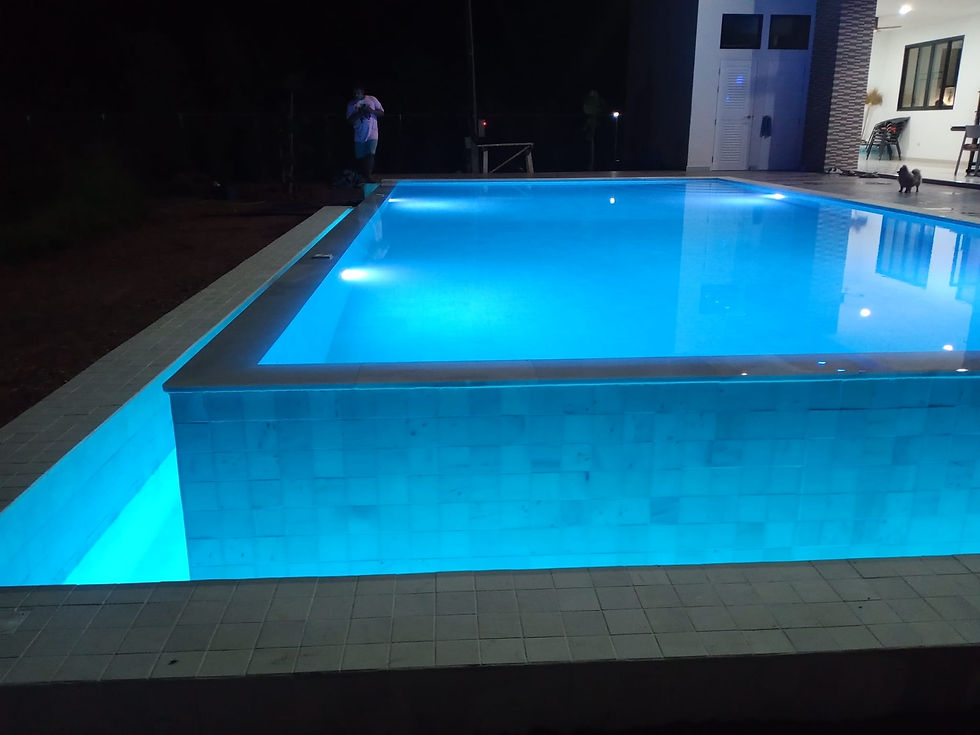
A modern residential swimming pool with crystal-clear water maintained by a salt water chlorinator s Salt chlorinator installed beside a swimming pool sand filter in a clean pump room. A pool technician testing pH and chlorine levels in a salt water swimming pool to ensure perfect wat
How Does a Salt Water Pool System Work?
Many people think a salt water pool has no chlorine.
That isn't true.
A salt chlorinator simply produces chlorine automatically.
The pool contains a small amount of dissolved salt—usually around 3,000 to 4,000 ppm, which is only about one-tenth the salt concentration of seawater.
As the water passes through the chlorinator cell, electricity converts some of the salt into chlorine. That chlorine sanitizes the water by killing bacteria and algae.
After doing its job, the chlorine changes back into salt, and the cycle repeats continuously.
This means you don't need to manually add chlorine every few days.
Advantages of a Salt Water Pool
There are many reasons why salt water pools have become so popular.
Comfortable Swimming
The water feels softer and is generally gentler on the skin and eyes than traditionally chlorinated pools.
Automatic Chlorine Production
The system produces chlorine every time the pump runs, giving more stable water quality with less effort.
Lower Chemical Costs
Because chlorine is produced from salt, you buy much less chlorine throughout the year.
Salt is inexpensive and usually only needs topping up occasionally.
Better Water Quality
A correctly adjusted salt chlorinator keeps chlorine levels much more stable than manual dosing.
Stable chlorine means cleaner water and fewer algae problems.
Disadvantages
No system is perfect.
Higher Initial Cost
A salt chlorinator costs more than simply adding chlorine manually.
However, many pool owners recover much of this investment through lower chemical costs and easier maintenance.
Salt Cell Replacement
The chlorinator cell eventually wears out.
Most quality cells last 5 to 8 years, depending on water balance, usage, and maintenance.
Replacing the cell is the main long-term maintenance cost.
Why pH Is So Important
One of the most overlooked parts of pool maintenance is pH.
Even if your salt chlorinator is working perfectly, high pH can make the chlorine much less effective.
A pH around 7.2 to 7.6 allows chlorine to disinfect efficiently.
When the pH becomes too high, chlorine loses much of its sanitizing power.
This often causes people to think their chlorinator is too small, when in reality the water chemistry is incorrect.
Salt pools naturally tend to slowly increase in pH, so regular testing and occasional pH adjustment are essential.
Good pH control keeps the water clearer, reduces algae growth, protects equipment, and helps your chlorinator perform at its best.
How Much Does It Cost to Maintain a Salt Water Pool?
Maintenance costs are generally lower than many people expect.
Typical expenses include:
Small amounts of pH reducer
Occasional salt top-ups
Cleaning the chlorinator cell when needed
Replacing the salt cell every few years
For most homeowners, annual maintenance costs are lower than buying chlorine regularly for a traditional pool.
Why I Always Recommend Oversizing the Salt Chlorinator
This is one area where I have a strong opinion.
Many swimming pools are built with the smallest chlorinator that can technically handle the pool size.
The reason is simple—it saves money during construction.
Unfortunately, it often costs more later.
A larger chlorinator has several important advantages:
Produces chlorine more easily during hot weather
Handles heavy pool use without struggling
Runs at a lower output, increasing cell life
Leaves extra capacity if water conditions become difficult
Reduces the risk of algae after heavy rain
The price difference between a small and a larger unit is usually small compared with the total cost of building a swimming pool.
In my opinion, oversizing the chlorinator is one of the smartest upgrades you can make.
Is a Salt Water Pool Worth It?
For most swimming pool owners, the answer is yes.
A quality salt water system provides comfortable swimming, lower chemical costs, automatic sanitation, and easier maintenance.
Like any pool, it still requires regular testing and proper pH control.
When combined with a correctly sized salt chlorinator, a salt water pool can provide many years of reliable, low-maintenance operation.
At Isaan Pool, we install salt chlorinators as standard on most of our swimming pools because they offer excellent long-term value, reliable performance, and make pool ownership much easier.


Comments